Top Recurring Billing Features That Protect Revenue
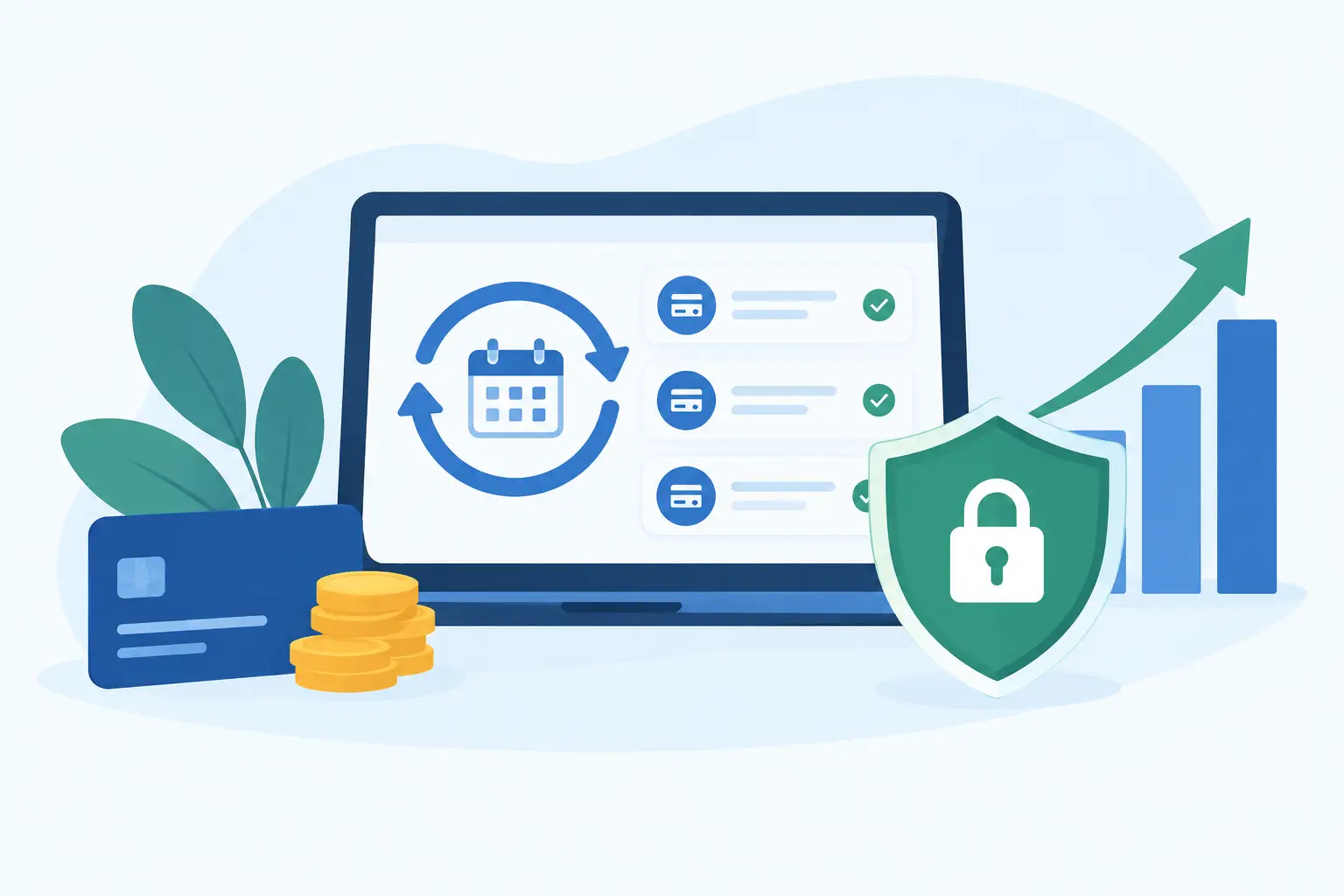
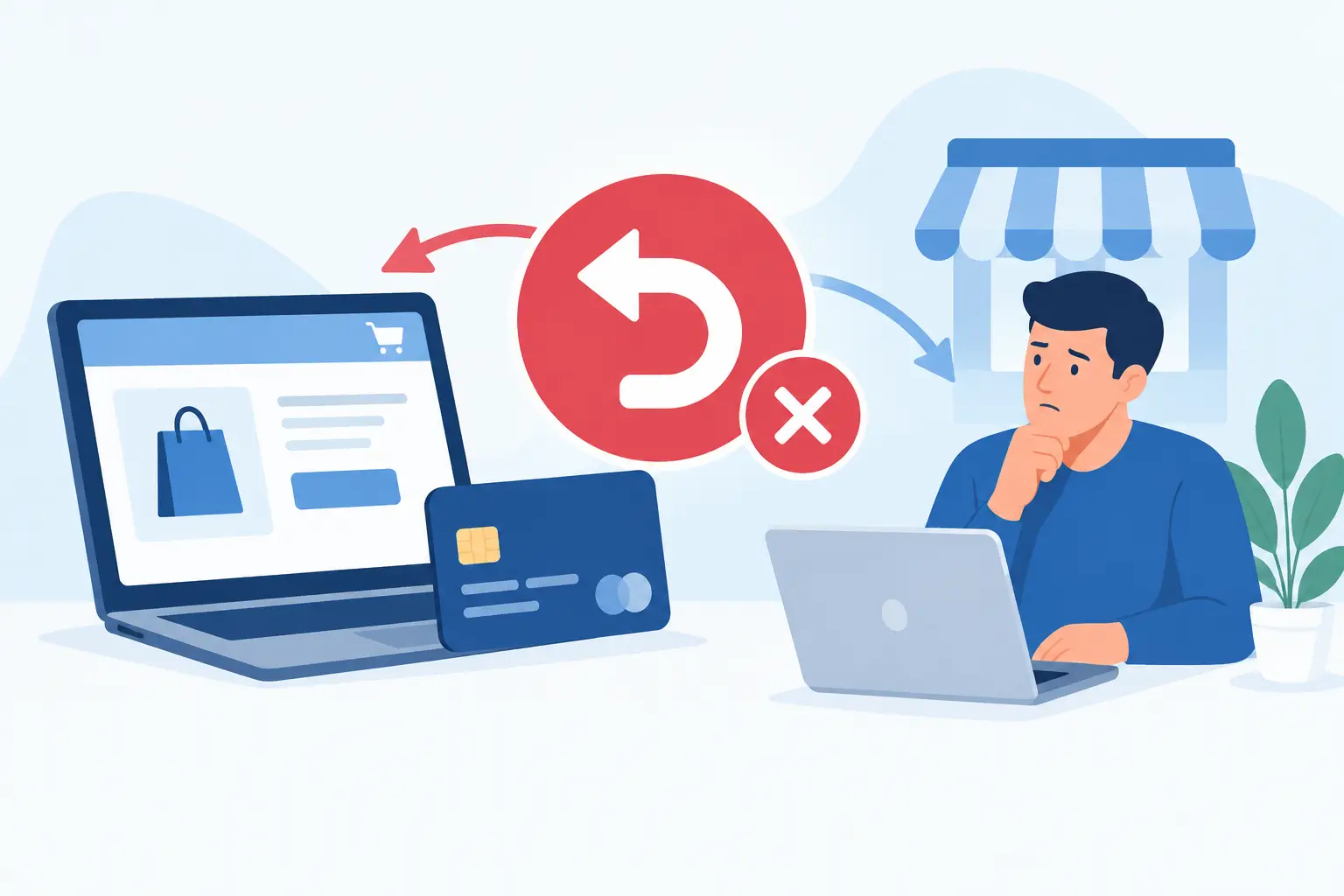
A subscription customer who cannot be charged is not always a lost customer. Often, the card expired, the bank declined a routine rebill, or the customer needs a different payment method. The top recurring billing features determine whether that interruption becomes lost monthly revenue or a payment issue your business can recover quickly.
For high-risk merchants, recurring billing is more than a checkout setting. It is a cash-flow system. Your billing platform needs to handle repeat charges accurately, give customers clear expectations, and provide your team with the visibility to act before a small decline problem turns into widespread churn.
Why Recurring Billing Requires More Control
One-time transactions are simple by comparison: a customer approves a charge, the payment is authorized, and the order moves forward. Subscription billing introduces timing, stored payment credentials, renewals, cancellation rules, payment retries, and customer communication. A weak setup leaves merchants chasing failed payments manually while revenue becomes less predictable.
This matters even more in high-risk categories. Many merchants have already dealt with application denials, sudden account changes, payout delays, or limited access to transaction data. A recurring billing solution should reduce those points of failure, not create another black box around your revenue.
The right feature set also depends on your model. A $19 monthly membership, a quarterly replenishment product, and a high-ticket continuity offer have different cancellation patterns and decline risks. The goal is not to add every available tool. It is to build a billing operation that protects revenue while staying clear, fair, and manageable for customers.
Top Recurring Billing Features for Subscription Merchants
Flexible billing schedules
A billing system should let you set the schedule that matches the product, not force your business into a generic monthly cycle. Look for support for weekly, monthly, quarterly, annual, and custom intervals, along with clear start dates and billing-cycle controls.
Flexibility matters when you offer trials, introductory pricing, installment structures, or prepaid plans. For example, a supplement merchant may need an initial offer followed by a recurring 30-day shipment schedule. A digital membership may need a seven-day trial that automatically converts to a paid monthly plan. When these rules are built into the billing flow, your team spends less time correcting invoices and more time serving active customers.
Secure payment tokenization
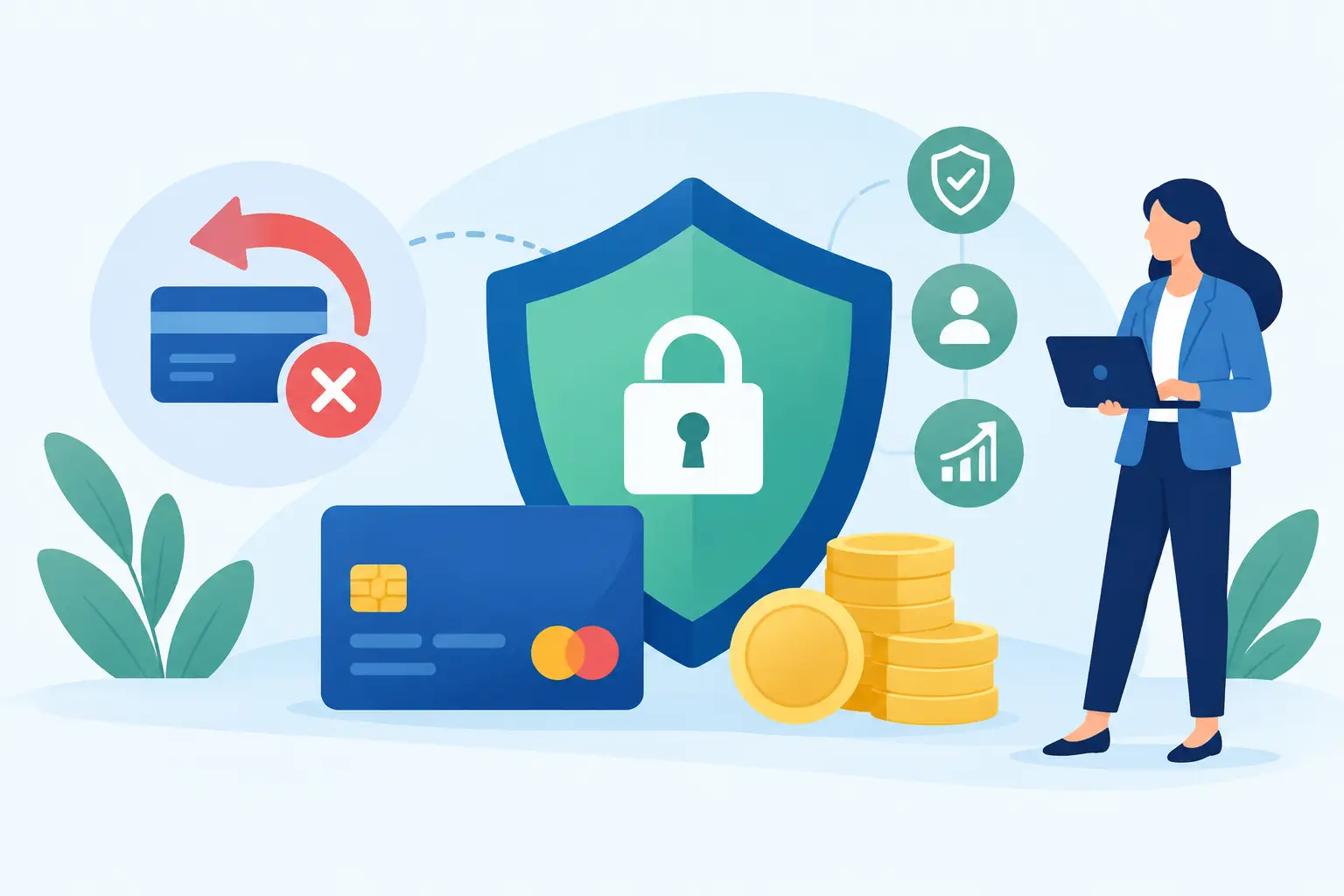
Recurring payments require a secure way to reference a customer’s payment method without exposing sensitive card data in your own systems. Tokenization replaces payment details with a protected reference that can be used for future authorized charges.
For merchants, the business value is straightforward: stored-payment billing can continue without your staff handling card numbers or maintaining unnecessary payment data. It also supports faster customer service when a subscriber needs to update a card, change a plan, or resolve a failed renewal. Security requirements still apply, but tokenization reduces the operational burden and risk surface.
Smart retry logic for failed payments
Declines happen. What matters is what your system does next. Smart retry logic, sometimes called a retry schedule or dunning workflow, attempts a failed recurring payment again at planned intervals rather than immediately canceling the subscription.
A good strategy does not simply retry a card repeatedly. It considers timing, the decline reason, and the number of attempts allowed. A temporary insufficient-funds decline may be worth retrying after a few days. A card reported lost or stolen should trigger a request for a new payment method instead. Excessive retries can create customer frustration and unnecessary processing activity, so the settings need to fit your business model.
Automated customer payment reminders
A payment recovery workflow works best when the customer knows what happened and what to do next. Automated emails or messages can notify a subscriber that a renewal payment failed, provide a clear deadline, and direct them to update their payment method.
The best reminders are direct and specific. They state the plan involved, the amount due, the next retry date, and how to manage the account. Avoid vague notices that confuse customers or make a legitimate charge look suspicious. Clear communication can reduce avoidable disputes while recovering revenue that would otherwise lapse.
Card updater and account refresh tools
Cards expire, are replaced, and may receive new account details. Card updater capabilities can help refresh eligible stored payment information before a recurring payment fails. This is especially valuable for businesses with longer customer lifecycles, where a subscriber may stay enrolled for many months or years.
Availability can vary by card network, issuing bank, and processing setup, so merchants should not treat account updates as a guarantee. Still, when it is supported, it can reduce involuntary churn and limit the number of customers who need to take action just to continue a service they already value.
Subscription management from a single dashboard
Your operations team needs more than a list of successful charges. A useful dashboard should show active subscriptions, upcoming renewals, failed payments, refunds, cancellations, chargebacks, and customer payment history in one place.
This visibility is particularly important when customer volume increases. Without it, a failed billing batch can go unnoticed until support tickets arrive. With accessible transaction records, your team can identify patterns early, such as a specific plan with an unusual decline rate or a recurring offer generating more disputes than expected.
Full dashboard access also supports better merchant decision-making. You can compare renewal performance by plan, review cancellation timing, and verify that billing rules are working as intended instead of relying on assumptions.
Easy plan changes, pauses, and cancellations
Customers change their minds, budgets, and needs. Your billing system should make it practical to upgrade, downgrade, pause, resume, or cancel a subscription without forcing your team to rebuild the customer record manually.
This feature protects more than customer experience. It gives you alternatives to a full cancellation. A subscriber who cannot continue with a premium plan may accept a lower-cost option or a temporary pause. That said, cancellation should always be straightforward. Making it difficult to leave may increase complaints, chargebacks, and long-term damage to your brand.
Proration and billing adjustments
When a customer changes plans mid-cycle, proration determines how credits and new charges are calculated. Without automatic controls, a simple upgrade can turn into a confusing invoice and a support issue.
Merchants should be able to choose whether plan changes apply immediately, at the next renewal, or with a calculated credit for unused time. There is no universal right answer. Immediate proration can make sense for access-based digital products, while next-cycle changes may be cleaner for physical subscription boxes. The important point is that your policy is consistent and visible to the customer before they confirm the change.
Virtual terminal support for assisted payments
Not every recurring billing issue is solved through self-service. Some customers call support to update a card, resolve a renewal failure, or complete an approved payment by phone. A virtual terminal gives authorized staff a controlled way to process those payments without requiring a new online checkout.
For businesses with sales teams or customer service staff, this can prevent revenue from slipping away after a failed renewal. It should be paired with clear internal permissions, documented customer authorization, and accurate notes on the account. Operational control matters as much as convenience.
Features That Protect Cash Flow Beyond the Renewal
Recurring billing performance is not only about collecting the next charge. It also depends on how quickly you can access settled funds and how clearly you can monitor activity. Merchants should evaluate the complete processing environment, including payout timing, reserve requirements, reporting access, and technical support during setup.
Daily payouts can make a meaningful difference for businesses that purchase inventory, fund advertising, or pay fulfillment costs on a tight schedule. No rolling reserve can also improve planning for merchants accustomed to having capital held back for long periods. Those benefits should be weighed alongside underwriting requirements, processing terms, and the reliability of the provider supporting your category.
Technical fit matters, too. If your store runs on WordPress, your gateway and subscription setup should work cleanly with the tools your team already uses. A billing feature has limited value if implementation becomes a drawn-out development project or if staff cannot confidently manage it after launch.
How to Prioritize the Right Features
Start with the failure points already affecting revenue. If your biggest problem is expired cards, focus on account refresh tools, update reminders, and customer self-service. If you lose subscribers after temporary declines, prioritize intelligent retries and clear dunning communications. If your team spends hours correcting plan changes, look closely at proration, subscription controls, and dashboard workflows.
Then ask practical questions before committing to a setup:
- Can the platform support your exact billing intervals, trial terms, and pricing changes?
- What happens after a decline, and can you control the retry rules?
- Can customers update payment details and manage subscriptions without contacting support?
- Will your team see real-time transaction, refund, and recurring-payment activity?
- Does the provider understand your industry and offer hands-on technical onboarding?
Myco Solutions helps high-risk online merchants build payment environments around operational control, faster access to funds, and dependable subscription acceptance. The right setup should make recurring revenue easier to manage from the first customer renewal onward.
Your subscribers should never have to wonder why they were charged, and your team should never have to wonder what happened to a renewal. Build billing around clarity, recovery, and control, then give your business the payment infrastructure to keep moving when routine issues arise.