Chargeback Reduction Examples That Protect Revenue
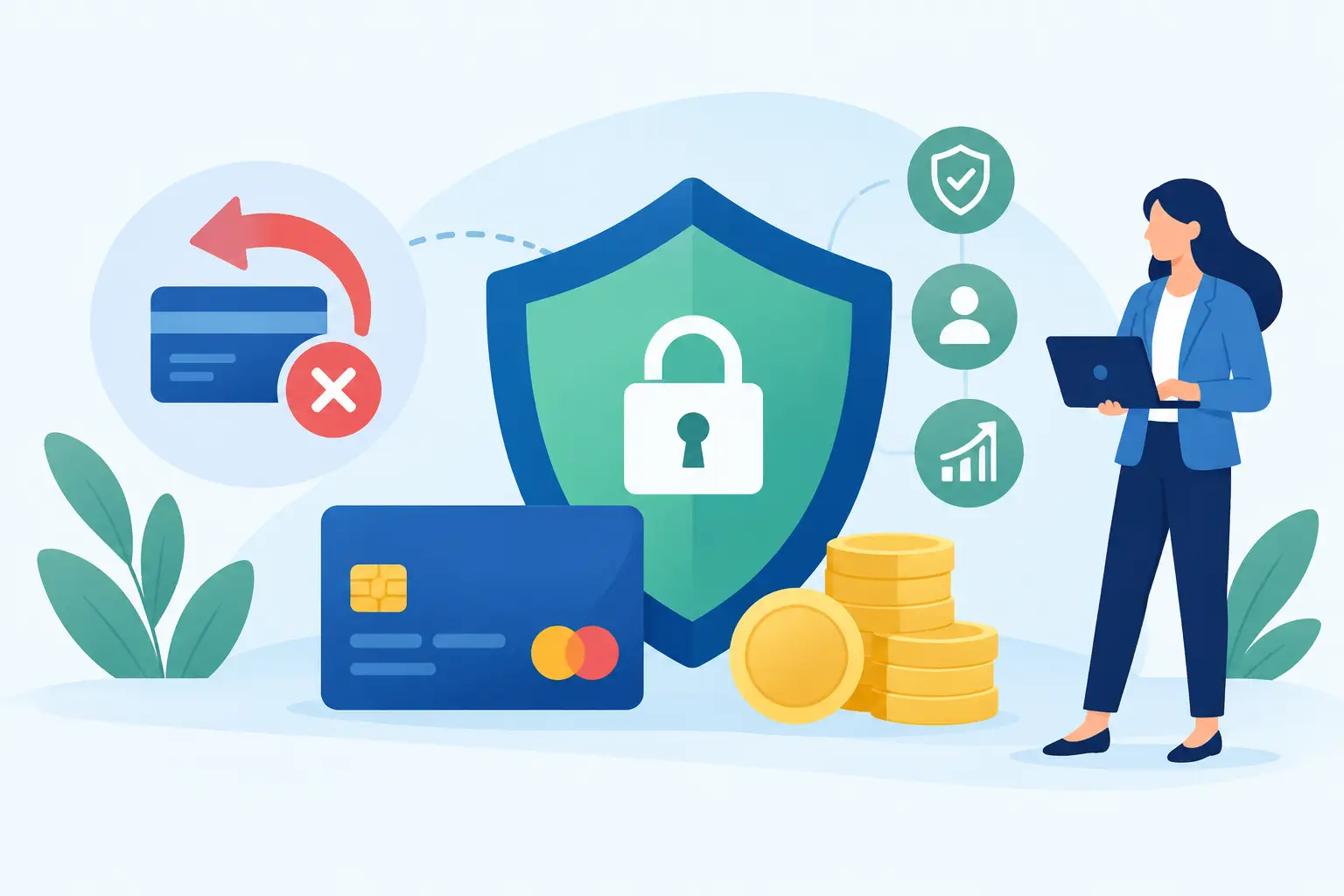
A chargeback rarely begins when the bank notification arrives. It usually starts earlier: a customer does not recognize a billing descriptor, a subscription renewal catches them off guard, or an order update never reaches their inbox. The most effective chargeback reduction examples address those moments before a customer decides their card issuer is the fastest route to an answer.
For high-risk merchants, this is a revenue continuity issue, not just a customer service metric. Disputes can raise processing costs, threaten account stability, and force teams to spend hours collecting evidence after the sale. Prevention protects more than a single transaction. It protects the processing relationship that keeps your business operating.
Why Chargebacks Hit High-Risk Merchants Harder
High-risk categories often deal with factors that make disputes more likely: recurring billing, digital delivery, higher ticket sizes, delayed fulfillment, or products customers misunderstand. That does not mean a merchant is doing anything wrong. It means the payment operation needs more controls than a standard online store.
A chargeback may be a legitimate complaint, a preventable misunderstanding, or first-party misuse, often called friendly fraud. Those causes require different responses. If customers cannot reach support, better fraud filters will not solve the problem. If stolen cards are getting through checkout, a clearer refund policy will not stop the losses.
The goal is not to block every questionable order or make refunds difficult. The goal is to make valid purchases easy to recognize, easy to manage, and well documented when a dispute occurs.
Chargeback Reduction Examples for Online Merchants
Use a billing descriptor customers recognize
A customer may recognize your website but not the legal entity name appearing on their bank statement. That confusion alone can trigger an unauthorized-transaction dispute. Use a clear, customer-facing billing descriptor that matches the brand customers saw at checkout. When space allows, include a support phone number or recognizable support identifier.
Test it yourself. Run a small transaction and inspect how the descriptor appears in a banking app and on a statement. If it is abbreviated beyond recognition, update it before disputes become a pattern. This is one of the simplest chargeback reduction examples because it fixes confusion at the point where customers make their decision to dispute.
Send order confirmation and fulfillment updates immediately
Customers who cannot tell whether an order went through may place a second order, contact their bank, or assume fraud. Send a confirmation as soon as payment is approved, then follow with shipment, delivery, or account-access updates that include the details the customer needs.
For physical goods, keep carrier acceptance scans, tracking history, delivery confirmation, and the delivery address. For digital products, retain login timestamps, IP addresses, download records, and the acceptance of terms. A generic confirmation email is helpful, but it is not the same as evidence that the customer received access or goods.
Put subscription terms in front of the customer
Recurring billing can be predictable revenue when consent is clear. It can also create avoidable disputes when the renewal date, amount, or cancellation process is buried in fine print. Show the recurring amount, billing frequency, trial length, and cancellation instructions close to the purchase button.
Then send a receipt after each rebill. For plans with longer intervals or large renewal amounts, a reminder before the next charge can reduce surprise cancellations and disputes. Some merchants worry that reminders will increase churn. They may, but retaining a customer through confusion is not real retention. A customer who understands the charge is more likely to remain a customer and less likely to involve their bank.
Make refunds easier than a bank dispute
When a customer has a genuine issue, they should not need detective skills to find your refund process. Put support contact information in confirmation emails, customer account pages, and on your site. Respond quickly, use plain language, and give the customer a clear next step.
A flexible refund policy is not right for every product or service. High-ticket, custom, or immediately consumed digital offerings may require tighter terms. Even then, your team should have a defined escalation path for exceptions. A fast, documented resolution is usually less expensive than a chargeback, the associated fees, and the operational risk of a growing dispute rate.
Screen for fraud without crushing approval rates
Fraud controls should look for patterns, not punish every order that appears unusual. Address verification, card security checks, velocity limits, device signals, geolocation mismatches, and manual review queues can all help identify higher-risk transactions.
The trade-off matters. Overly aggressive filters can decline good customers, especially in high-risk categories where buyers may use privacy tools, travel, or purchase from different locations. Start with controls that target behavior you can explain, such as repeated failed attempts, multiple cards tied to one device, or an unusually high order count in a short period. Review outcomes regularly and adjust based on actual fraud and chargeback data.
Preserve checkout consent and customer communications
Winning a dispute often depends on whether you can prove what the customer agreed to and what happened after the sale. Save checkout logs, the version of your terms presented at purchase, billing authorization records, refund correspondence, support tickets, and delivery evidence in a system your team can access quickly.
This matters most for digital products, coaching, memberships, and other services where there is no signed delivery slip. If the customer accessed a portal, attended a session, redeemed a code, or exchanged messages with your team, those records can tell the full story. Do not wait until a dispute arrives to locate them.
Turn These Examples Into a Repeatable Process
Individual fixes help, but chargeback prevention works best when ownership is clear. Assign someone to review disputes weekly, even when volume is low. Look at the reason codes, products involved, billing dates, traffic sources, fulfillment times, and support response history. Trends show up earlier than most merchants expect.
For example, an increase in “unrecognized” disputes after a brand update points to a descriptor or communication problem. A spike immediately after subscription renewals points to consent, reminders, or cancellation friction. Disputes tied to one ad campaign may signal mismatched marketing claims or low-quality traffic rather than a payment issue.
Your payment setup should also give you usable transaction visibility. Myco Solutions helps high-risk merchants maintain the operational control needed to review payments, respond to issues, and keep revenue moving without guessing what is happening behind the scenes. The best technical setup is one your team can actually use when an order, refund, or dispute needs attention.
Respond to Disputes With Evidence, Not Assumptions
Prevention will reduce disputes, not eliminate them. When a chargeback arrives, respond by the deadline with evidence matched to the claim. An unauthorized claim needs different documentation than a claim that merchandise was not received or that a recurring payment was canceled.
Avoid submitting a pile of unrelated screenshots. A concise package with the transaction details, customer authorization, relevant communication, and delivery or access proof is stronger and faster to review. If the customer is clearly entitled to a refund, accepting the loss may be the better decision. Fighting every dispute can waste resources and may damage customer relationships.
Keep a record of outcomes. Lost cases are useful when they reveal missing evidence, unclear copy, or a process customers cannot follow. Won cases can reveal which documentation is worth collecting automatically at checkout and fulfillment.
Chargeback reduction is built through small operational decisions made consistently: recognizable charges, honest offers, accessible support, documented delivery, and billing customers can understand. Start with the dispute reason that appears most often in your account, fix the customer experience behind it, and give the improvement enough time to show up in the data.