Payment Processor Application Guide for High-Risk
A payment processor application guide should do more than tell you which form fields to complete. For a high-risk online merchant, the application is the first test of whether your business can process consistently without creating avoidable disputes, chargebacks, or compliance concerns. Present the right information from the start, and you can shorten the review cycle, protect cash flow, and get your checkout live with fewer surprises.
Mainstream processors often treat high-risk applications as exceptions. A specialist provider evaluates the full operating picture: what you sell, how you market it, how customers are billed, and how you handle support. That distinction matters when payment acceptance is central to your revenue.
What a Payment Processor Application Really Reviews
Your application is not just a request for a merchant account. It is a risk profile. The processor, acquiring bank, and underwriting team want to understand whether transactions are legitimate, whether customers know what they are buying, and whether your operation can support the sales volume you project.
High-risk does not automatically mean unreliable. It can simply reflect your industry, pricing model, delivery timeline, recurring billing, chargeback history, or the fact that traditional providers do not have an approval path built for your category. A clear application gives underwriters the context they need instead of forcing them to make assumptions.
Expect the review to focus on your legal business details, owners, website, products or services, expected monthly volume, average ticket size, refund practices, and fulfillment process. If you use subscriptions, continuity offers, preorders, coaching programs, virtual terminal sales, or delayed delivery, explain that early. Those details affect account structure and processing terms.
Prepare Your Business Before You Apply
The fastest applications are usually the ones prepared before the merchant submits anything. Underwriting delays often come from incomplete ownership records, a website that does not match the application, or sales claims that cannot be verified.
Start with your legal business information. Your business name, entity type, address, tax identification number, and banking information should match the documents you provide. If your storefront uses a DBA that differs from the legal entity, disclose both names. A mismatch does not always stop approval, but an unexplained mismatch creates more questions.
You should also be ready to provide a government-issued ID for each required owner and, when requested, documents that verify the business and operating account. Depending on the business structure and processing volume, this can include formation documents, a voided check or bank letter, recent bank statements, and prior processing statements.
Accuracy matters more than trying to make your business look lower risk than it is. Understating volume, hiding a subscription model, or applying under a vague description can create bigger problems once live transactions reveal the actual activity. The right high-risk payment partner is looking for a workable setup, not a misleading label.
Make Your Website Match Your Application
For online merchants, your website is part of the underwriting file. It should make it easy for a reviewer and a customer to understand what you sell, how much it costs, and how buyers can reach you.
Your store should display clear product or service descriptions, accurate pricing, and a visible way to contact support. Include shipping or delivery expectations where relevant, along with refund, cancellation, and privacy policies. If you bill on a recurring basis, state the billing frequency, amount or pricing method, trial terms, and cancellation process in plain language.
Avoid using placeholder pages, broken checkout buttons, vague product descriptions, or promises that your fulfillment process cannot support. If your site is still being built, be upfront. A technical onboarding team can help you identify what needs to be in place before the gateway goes live.
Documents That Keep the Review Moving
Most payment processor applications require a core set of documents, but the exact request depends on your vertical, ownership structure, transaction history, and projected volume. Sending organized, current files upfront prevents the back-and-forth that slows approvals.
Have these materials ready:
- Legal entity and tax identification details
- Owner identification and ownership percentages
- Business bank account verification
- Website URL and customer-facing policies
- Product descriptions, pricing, and fulfillment timelines
- Recent processing statements if you have prior card volume
- Refund and chargeback information, if applicable
- Subscription terms or customer authorization language for recurring billing
Prior processing statements can be especially useful for an established merchant. They show real volume, average ticket size, chargeback ratios, and processing history. If a previous provider closed your account or imposed restrictions, do not try to bury the issue. Explain what happened, what has changed, and how your current operation manages customer expectations.
Answer High-Risk Questions Directly
Underwriting questions can feel personal because they get into your revenue model, marketing, and customer service. Direct answers build confidence. Evasive answers usually create a longer review or an account structure that does not fit your needs.
Be prepared to explain how customers find you, what they receive after purchase, and when they receive it. A physical product seller may need to show suppliers, tracking practices, or inventory availability. A digital business may need to demonstrate access delivery, onboarding, or proof of service. A subscription business needs clear authorization and cancellation controls.
The same principle applies to projected sales. Do not submit a monthly volume estimate based only on your biggest goal. Use your current sales data, advertising budget, audience size, inventory capacity, and conversion history to make a defensible forecast. It is better to request an increase later with supporting data than to set an unrealistic number that does not match your actual operation.
Be Clear About Recurring Billing
Recurring revenue can make a business more predictable, but it also receives closer review because customers may dispute charges they did not expect. Your application should show that your billing process is transparent and controlled.
Use clear checkout disclosures before payment is collected. Send receipts that identify the product or membership and the billing schedule. Give customers a practical cancellation method, respond to support requests quickly, and make sure the statement descriptor is recognizable. A confusing descriptor can turn a legitimate charge into a chargeback simply because the customer does not recognize it.
If you use free trials, introductory offers, or rebills, describe those terms exactly as the customer sees them. This is not a place for vague language. It is a place to demonstrate that your revenue model is built to reduce disputes.
Choose Processing Terms That Support Cash Flow
Approval is only the first decision. The account terms determine whether the relationship supports your day-to-day operation. High-risk merchants should ask how funds settle, whether reserves apply, what transaction types are permitted, and how account monitoring works after launch.
Daily payouts and no rolling reserve structures can be valuable for businesses that need working capital for inventory, advertising, payroll, or fulfillment. But terms depend on the merchant profile, industry, processing history, and underwriting outcome. Review the agreement carefully and ask what could trigger a change in payout timing or account limits.
You should also understand pricing beyond the headline rate. Ask about monthly platform fees, gateway costs, chargeback fees, refund fees, authorization fees, and early termination terms. Predictable pricing is useful, but only if you understand what is included and how your costs change as volume grows.
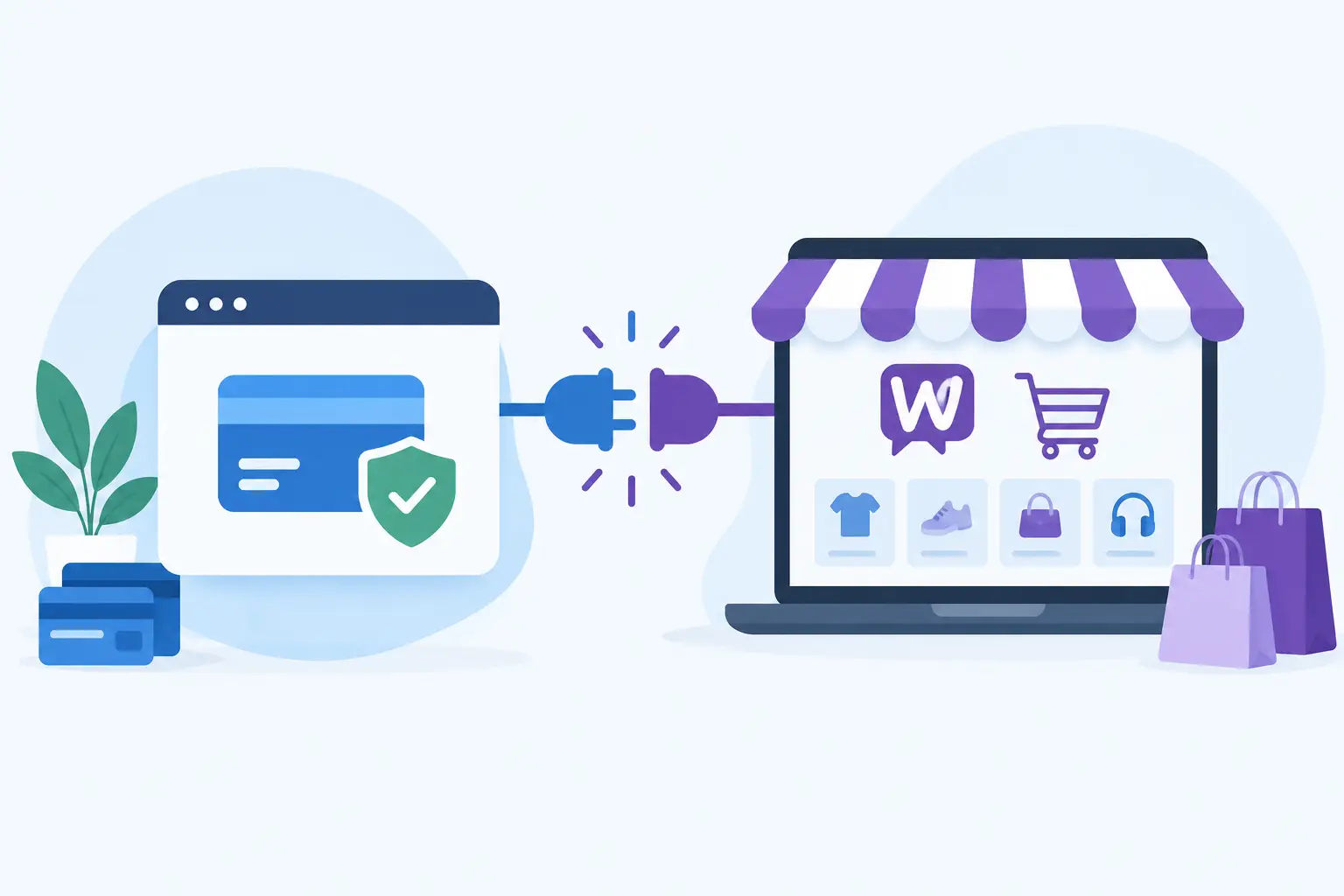
For merchants using WordPress, custom carts, or multiple sales channels, confirm that the gateway works with your checkout setup before approval is finalized. A merchant account without a usable integration does not solve the problem. Your provider should be able to discuss gateway credentials, plugin compatibility, virtual terminal access, tokenization, and subscription billing requirements in practical terms.
What Happens After Approval
A strong application leads into a controlled launch, not a handoff with a login link. Once approved, verify the business information, transaction limits, descriptor, payout schedule, and support contacts before taking live payments.
Run a test transaction in the correct environment and confirm that your receipt, checkout language, and customer support channels work as intended. If you are migrating from another provider, plan the transition so customers do not see duplicated charges or broken subscription renewals. Existing tokens, recurring profiles, and historical reporting may require separate handling.
After launch, use the transaction dashboard as an operating tool. Monitor approvals, declines, refunds, chargebacks, and settlement activity. Fast visibility helps you spot a checkout issue, a marketing mismatch, or a rise in customer confusion before it turns into a larger account problem.
A Better Application Creates a Better Processing Relationship
The goal is not to make your business look like something it is not. The goal is to present a complete, credible operating picture to a provider built for high-risk commerce. Myco Solutions helps merchants approach that process with the technical support and account structure that online revenue requires.
Bring clean documents, a customer-ready website, honest sales projections, and clear billing terms to the application. That preparation gives your business the best chance to move quickly from review to reliable payment acceptance – and to keep control of the revenue you worked to earn.