Subscription Billing Software Review for High Risk
A recurring sale is only valuable when the payment clears, the customer can manage their plan, and your business can access the funds without surprise holds. That is why a subscription billing software review for a high-risk business needs to go far beyond attractive checkout pages and basic recurring invoices. The real question is whether the billing setup protects revenue when cards fail, customers dispute charges, or a processor decides your industry is outside its comfort zone.
For subscription merchants, payment infrastructure is part of the product. A weak setup creates involuntary churn, support tickets, failed renewals, and unpredictable cash flow. The right one gives you visibility, control, and a clearer path to scale.
Subscription Billing Software Review: Start With Approval
Many billing platforms look capable in a product demo. The harder test is whether they can support your actual business model after underwriting reviews your website, fulfillment process, pricing, refund policy, and chargeback history.
High-risk merchants should confirm processor compatibility before investing time in a billing platform. A system may offer recurring billing features but still depend on a merchant account that restricts continuity programs, trial offers, supplements, digital goods, adult-oriented products, credit-related services, or other higher-risk categories. Approval is not a technical footnote. It determines whether you can process renewals at all.
Ask direct questions about the industries the provider supports, the required underwriting documents, and what happens if your processing volume grows quickly. You also need clear answers on reserves, payout timing, transaction limits, and whether recurring transactions receive the same support as initial purchases.
A provider built for high-risk processing should not treat your business model as a problem to solve later. It should offer a defined approval path, explain requirements early, and help you connect the approved merchant account to your billing environment.
Evaluate the Billing Engine, Not Just the Checkout
Subscription software should handle the mechanics of recurring revenue without forcing your team into manual work every month. At minimum, look for flexible billing intervals, automated rebilling, plan changes, cancellations, prorated charges, and customer payment profile management.
The details matter. A monthly membership business needs reliable scheduled billing and clear cancellation controls. A continuity offer may need trial-to-paid conversion rules. A B2B service may require custom billing dates, invoices, and the ability to update payment methods through a virtual terminal. One platform is not automatically right for every model.
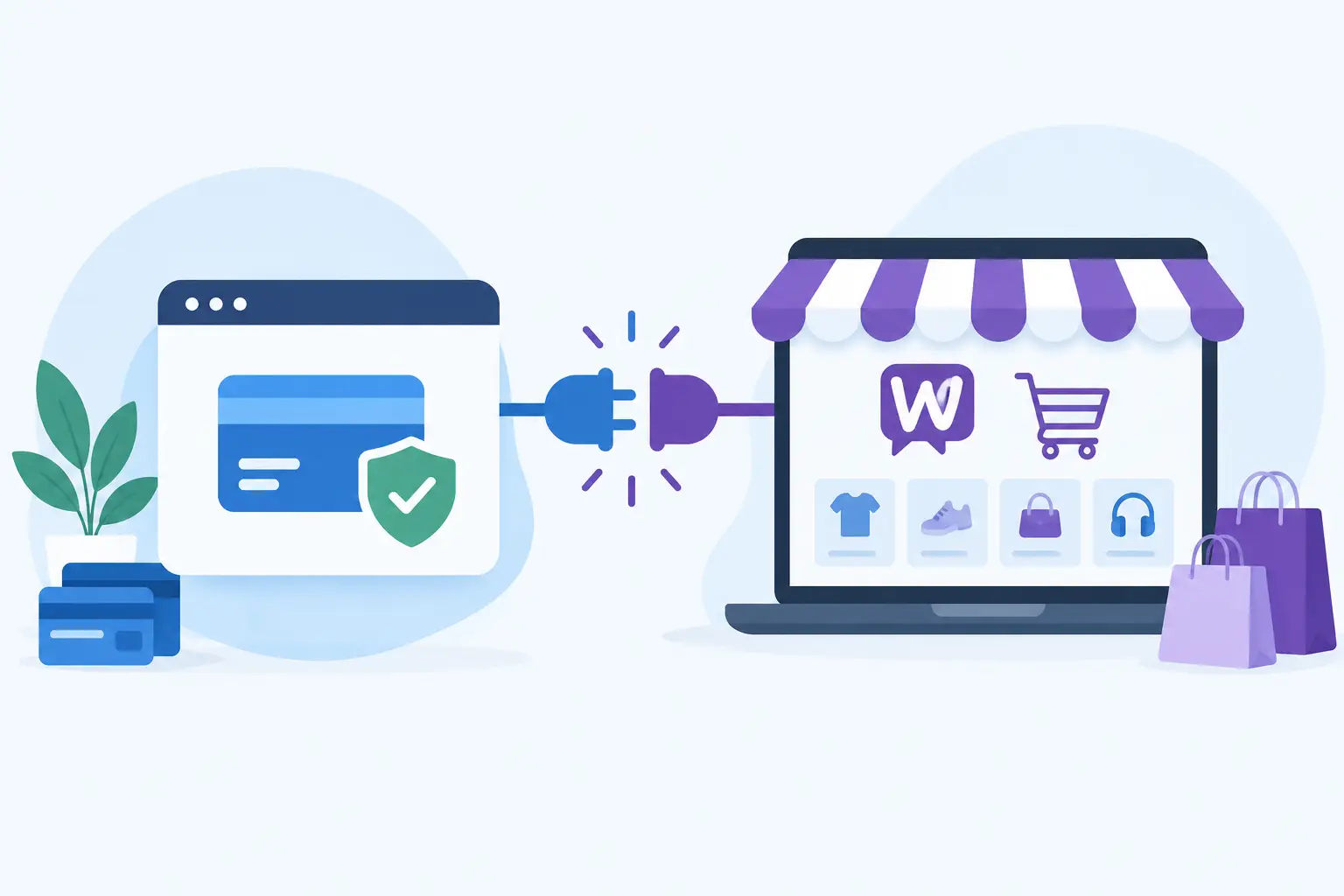
Make sure the billing engine can support the way customers actually buy. If you sell through WordPress, test the checkout connection and confirm that recurring order data passes accurately between your store, gateway, and payment processor. If sales are taken by phone or through a customer service team, verify that virtual terminal transactions can be stored and billed according to your approved policies.
Customer communication also deserves attention. Receipts, renewal notifications, card-update reminders, cancellation confirmations, and refund records help reduce confusion. Confused customers are more likely to file disputes, even when the charge was authorized.
Failed Payment Recovery Is a Revenue Feature
Recurring card payments fail for ordinary reasons: expired cards, insufficient funds, bank declines, and outdated account details. If your software simply marks the invoice unpaid and stops there, you lose revenue that could have been recovered.
A strong billing environment uses configurable retry logic. Rather than attempting every failed charge at the same time each day, it can retry according to a schedule that fits your product and customer base. It should also send payment-update messages that give customers a simple way to keep their subscription active.
Be careful with aggressive retry settings. Repeatedly attempting a declined card can frustrate customers and increase complaint risk. The goal is thoughtful recovery, not forcing a payment through. Review whether you can control the number of retries, timing, email notifications, and account status after repeated failures.
This is one of the clearest places where software affects retention. A customer who updates an expired card is retained revenue. A customer who leaves because the process was confusing becomes avoidable churn.
Review Chargeback Controls and Transaction Visibility
High-risk merchants need more than a dashboard that shows total sales. You need transaction-level visibility that helps your team identify issues before they become expensive.
Look for searchable payment records, customer billing histories, refund controls, decline reasons, settlement reporting, and exportable data. Your team should be able to locate a transaction quickly when a customer calls, verify the billing terms, and take appropriate action without waiting on a processor’s support queue.
Dispute prevention starts before a chargeback arrives. Clear statement descriptors, accurate receipts, accessible customer support, and documented cancellation workflows all reduce the chance that a customer goes straight to their bank. The software cannot fix misleading marketing or poor fulfillment, but it should make good operational practices easier to maintain.
Also consider how the system records authorization and customer consent. For trial offers, recurring programs, and phone orders, documentation matters. Your billing tools should support clear records of what was purchased, when recurring terms began, and what communications were sent.
Compare Payout Terms Alongside Software Features
A subscription billing platform can be technically impressive and still create a cash flow problem. This is especially common when merchants focus only on monthly software pricing and overlook the merchant account terms behind it.
Review payout frequency, reserve requirements, funding holds, and how long settlements take to reach your bank. Daily payouts can make a meaningful difference for businesses paying for media, inventory, fulfillment, contractors, or customer support on a regular schedule.
No rolling reserve is also a major consideration for merchants who need access to operating capital. That said, terms depend on your business profile, processing history, and underwriting results. Be skeptical of anyone promising identical pricing or account conditions to every merchant before they understand the risk profile.
Transparency is the standard to look for. You should know what you are paying, when you will be funded, how to view transactions, and who to contact when a problem appears. Hidden conditions are not a feature of a stable billing relationship.
Integration Should Reduce Friction, Not Add It
The best subscription software is not always the one with the longest feature list. It is the one that fits your existing sales flow with the least operational disruption.
For a WordPress merchant, that may mean a checkout and recurring billing setup that works with the site structure you already use. For a sales-driven operation, it may mean gateway access and a virtual terminal that lets authorized staff take payments securely. For a growing eCommerce brand, it may mean reliable APIs and reporting that connect with internal workflows.
Before committing, map the full customer journey: ad or landing page, checkout, confirmation, recurring renewal, failed-payment outreach, cancellation, refund, and support request. Any gap between those steps becomes a customer experience problem later.
Technical onboarding matters here. A fast setup is valuable, but only if it includes testing, gateway configuration, and confirmation that recurring transactions are working as expected. Myco Solutions approaches high-risk payment processing with that practical focus: getting merchants approved, connected, and equipped with control over the transactions that drive their business.
Questions to Ask Before You Choose
A useful subscription billing software review should leave you with specific questions, not just feature comparisons. Ask whether the provider supports your industry and recurring model, how failed payments are recovered, what reporting your team can access, and what payout terms apply after approval.
Ask how cancellations, refunds, and customer payment updates are handled. Confirm whether support can assist with gateway setup and whether you can speak with someone who understands high-risk processing instead of a general help desk. Finally, request a clear explanation of all costs, including processing fees, software charges, gateway fees, and any account-level conditions.
The right billing setup gives your customers a reliable way to stay subscribed and gives your business room to operate with confidence. Choose the provider that is prepared to support the real conditions of your business, not just its first transaction.