Merchant Approval Example: What a Real Approval Means
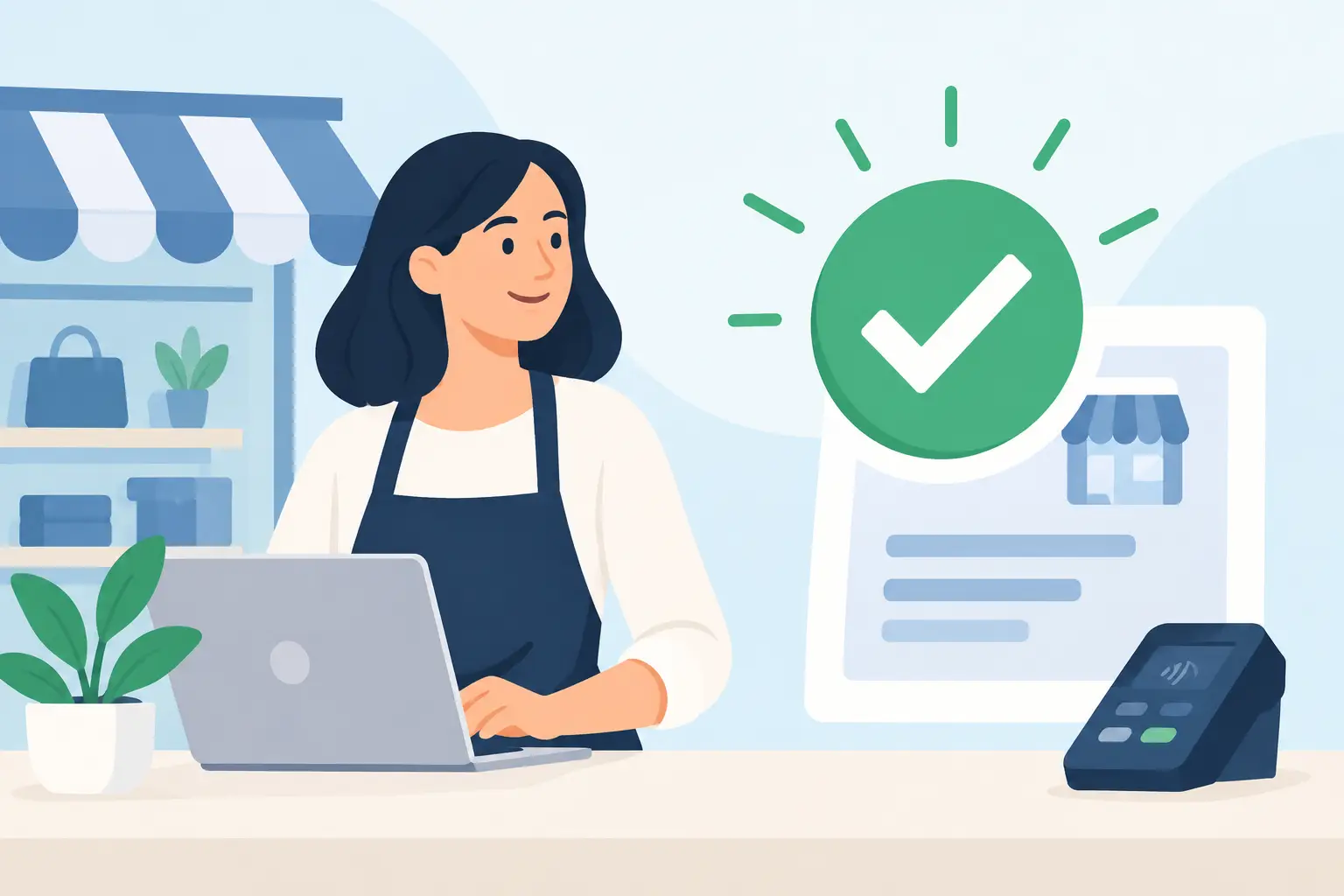
A merchant approval email should do more than say “you’re approved.” For an online business, approval affects whether you can turn on checkout, run card-not-present sales, collect recurring payments, and access the funds that keep operations moving. A clear merchant approval example shows exactly what has been approved, which conditions apply, and what must happen before your first customer can pay.
For high-risk merchants, that clarity matters. A vague approval message can hide a pending document request, a gateway configuration issue, a reserve requirement, or transaction limits that do not match the business you plan to run. The goal is not simply to receive an approval. It is to receive an approval that supports your actual sales model.
What a merchant approval really confirms
Merchant approval is the result of underwriting. The provider and acquiring bank review your business, ownership, website, products or services, expected sales activity, refund policy, fulfillment process, and processing history. They are assessing whether your account can accept payments within an agreed risk profile.
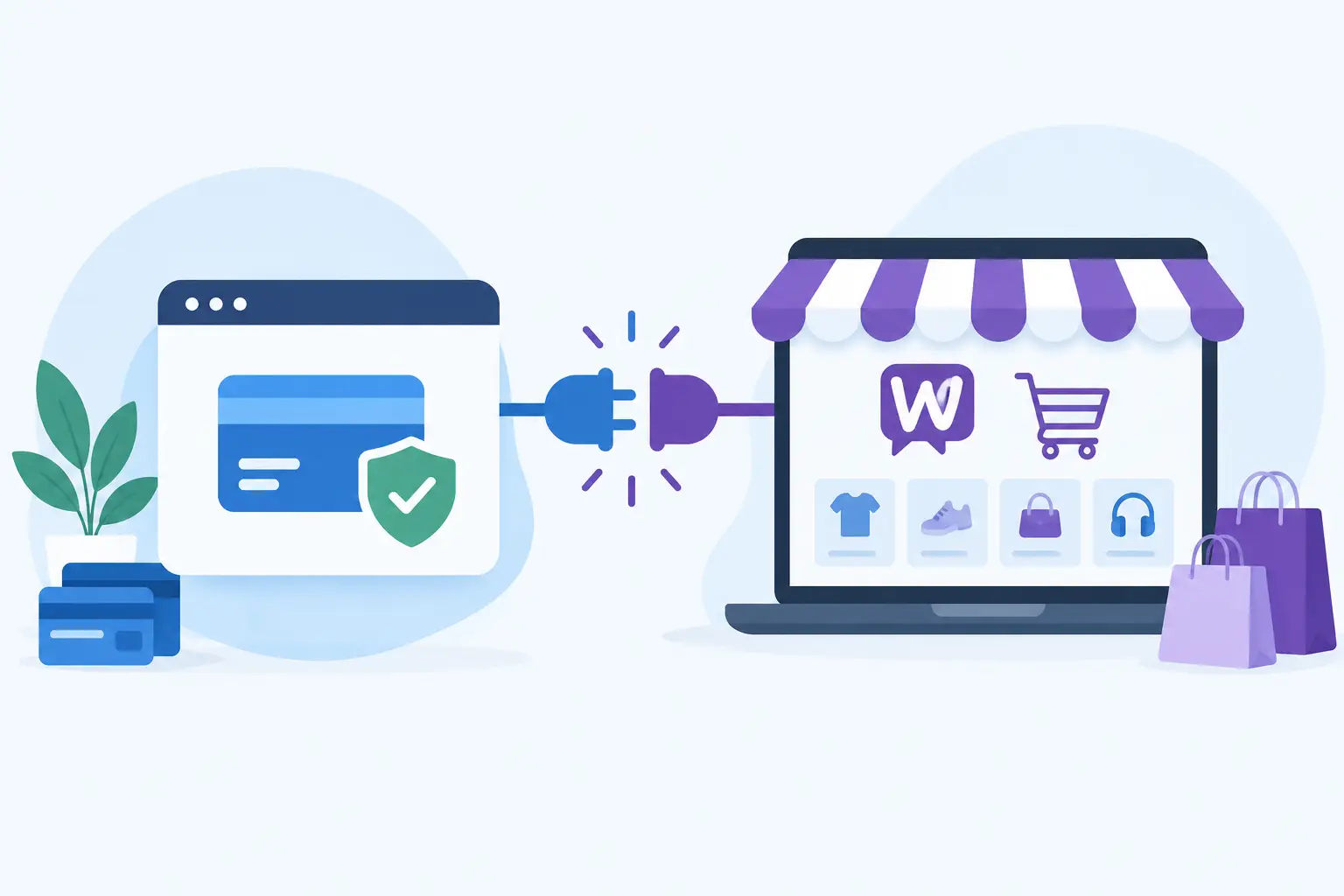
That means approval is not the same as creating a dashboard login or installing a payment plugin. Your payment tools may be ready before underwriting is complete, but your ability to process live transactions depends on the approved merchant account and its configuration.
A useful approval notice should confirm the legal business name, the approved website or business activity, the account status, and the next operational step. It should also tell you whether the approval is final or conditional. Conditional approval is not necessarily bad news. It often means the core review is complete, but the underwriter needs one last document or a technical item needs to be verified.
Merchant approval example for an online business
Here is a realistic example of the type of message a merchant might receive after underwriting.
> Subject: Your Merchant Account Has Been Approved > > Hello Jordan, > > Your merchant account for Apex Wellness LLC has been approved for online card-not-present transactions through your website, apexwellness.com. > > Your account has been approved for the following business activity: direct-to-consumer online sales of wellness products and recurring subscription orders, as disclosed during application. > > Before you begin processing, please complete the following steps: > > 1. Confirm that your checkout statement descriptor is accurate. > 2. Connect your approved payment gateway to your website. > 3. Submit a live checkout test for review. > 4. Keep your shipping, refund, privacy, and customer service policies visible on your website. > > Once the live test is approved, your account will be activated for production processing. Your onboarding specialist will provide gateway credentials and assist with setup. > > Please contact your onboarding team if your products, sales channels, average order value, subscription terms, or expected monthly volume change. > > Thank you, > Merchant Onboarding Team
This example is intentionally direct. It tells the merchant what was approved, identifies that recurring billing is part of the approved model, and sets out the final steps before live processing begins. It also reminds the merchant that the original approval is tied to the business they disclosed.
How to read the approval without missing a problem
Start with the business activity. If your approval says “one-time online sales” but your plan includes a monthly membership, stop and clarify the issue before launching subscriptions. Recurring billing creates different customer service and dispute considerations, and it needs to be represented accurately during underwriting.
Next, review the sales channel. An account approved for an eCommerce website may not automatically cover phone orders, invoice payments, retail sales, or a second domain. If you rely on a virtual terminal to take orders by phone, ask for written confirmation that this capability is enabled and approved for your use case.
Then check whether the message identifies a condition. Common conditions include providing a recent bank statement, correcting the business address, adding required website policies, verifying product claims, or completing a test transaction. These are manageable tasks, but they can delay launch when merchants assume approval means they can start processing immediately.
Finally, ask about the details that affect cash flow. A good processor should clearly explain funding timing, any reserve terms, account fees, chargeback procedures, and dashboard access. Daily payouts and no rolling reserve arrangements can be meaningful advantages for qualifying merchants, but terms depend on the approved account and underwriting profile. Never assume that a sales conversation overrides the written agreement.
What approval does not give you permission to do
An approved merchant account is not a blank check to change your business after launch. If you add a new product line, introduce a free-trial subscription, move from domestic sales to international sales, raise your average ticket significantly, or begin using a new website, notify your payment partner first.
This is not unnecessary red tape. Sudden changes in transaction behavior can look like unreported risk and trigger reviews, delayed payouts, or a temporary processing pause. A merchant who keeps the provider informed is far easier to support than one whose activity no longer resembles the original application.
The same rule applies to your marketing. Your product pages, pricing, shipping timeframes, return policy, and subscription disclosures should match what underwriting reviewed. Clear customer expectations lower refund requests and disputes, which helps protect your account over time.
What to prepare before you apply
Fast approvals usually begin with a complete, consistent application. High-risk merchants lose time when the information in the application, website, bank records, and ownership documents does not line up.
Have your legal entity details, EIN, business bank information, owner identification, processing history, and a clear description of your products ready. Your website should be live or substantially complete, with visible contact information and policies that customers can actually find. If you use subscription billing, show the billing frequency, price, cancellation method, and any trial terms clearly before checkout.
You should also be ready to explain expected monthly volume, average transaction size, highest transaction amount, fulfillment timing, and where you sell. There is no benefit in guessing low to make an application look safer. Understating volume can create trouble when your legitimate growth arrives faster than the approved account profile allows.
Questions to ask after you receive approval
Approval is the right time to get operational answers, not after a customer’s payment fails. Ask whether your gateway credentials are live, whether your WordPress or eCommerce integration requires a specific plugin or configuration, and whether recurring billing tokens can be migrated or created within the new environment.
Confirm your statement descriptor as well. This is the text customers see on their card statement. A confusing descriptor is a common source of “I don’t recognize this charge” disputes. It should be recognizable, fit the required character limit, and point customers toward a working support channel.
For merchants who take orders outside the standard website checkout, ask which payment methods are approved. Virtual terminal access, payment links, manually keyed transactions, and invoice payments may carry different controls. Getting that answer early protects both your revenue flow and your compliance position.
Approval is the start of account management
The strongest payment relationship does not end with an approval email. Your business will change: campaigns can drive higher volume, new products can alter your average ticket, and subscription growth can increase the number of customer support requests. Those are positive developments, but they should be communicated before they become surprises in your transaction data.
This is where a high-risk specialist can make a practical difference. Myco Solutions focuses on helping online merchants move from approval to working payment acceptance with hands-on onboarding, gateway setup support, transaction visibility, and an infrastructure built for businesses that need more control than a generic processor provides.
Treat your merchant approval as an operating document, not a congratulatory note. Read it closely, complete every activation task, and keep your processor informed as you grow. That discipline gives your business the best chance to keep accepting payments when momentum matters most.