A checkout can look perfect, bring in qualified customers, and still become a revenue problem when the payment setup behind it is not built for your business model. The merchant account versus aggregator decision affects whether you control your processing relationship, how quickly you receive funds, and what happens when transaction volume rises or a customer dispute appears.
For online merchants in higher-risk categories, this is not a minor technical choice. It can determine whether payments keep moving or whether a processor pauses your funds at the moment your business needs cash flow most.
What Is a Merchant Account?
A merchant account is a dedicated payment processing account issued to your business through an acquiring bank and payment processor. It allows you to accept card payments under an approval profile based on your company, products, sales methods, fulfillment process, and projected transaction activity.
With a merchant account, your business is individually underwritten. The provider knows who you are, what you sell, and how you operate before you begin processing. That underwriting takes more work than signing up for a general payment tool, but it creates a clearer foundation for long-term payment acceptance.
A dedicated merchant account is typically paired with a payment gateway. The gateway connects your website checkout, shopping cart, WordPress store, recurring billing platform, or virtual terminal to the payment processing network. You can manage transactions, issue refunds, review chargebacks, and monitor approvals from a central dashboard.
For merchants with subscription offers, higher average order values, elevated chargeback exposure, or restricted product categories, the value is straightforward: your payment setup is designed around your actual risk profile rather than forced into a one-size-fits-all account.
What Is an Aggregator?
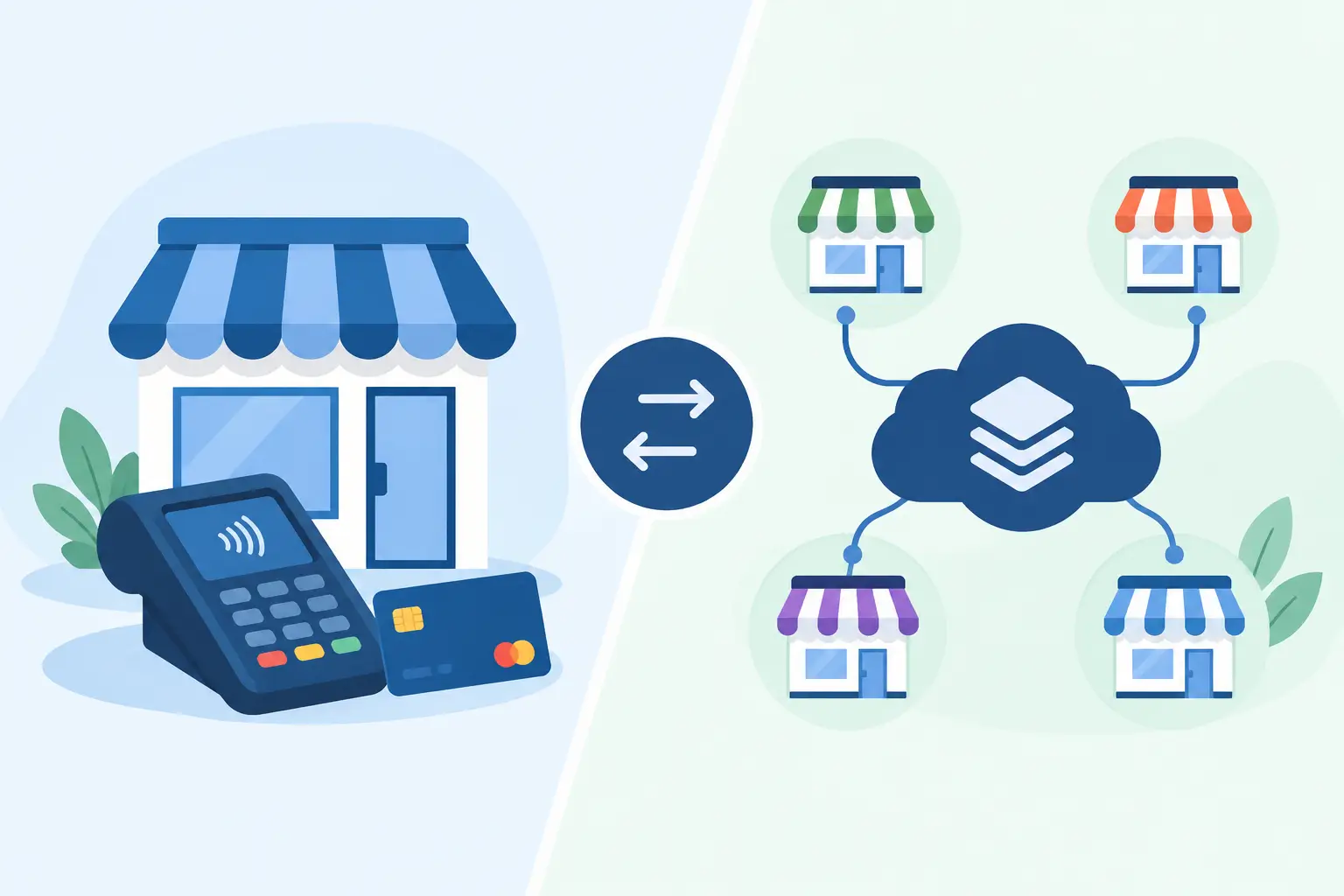
An aggregator lets many businesses process payments under the aggregator’s master merchant account. Rather than receiving a fully dedicated account from the start, you are added as a sub-merchant within the provider’s larger processing structure.
This model is popular because onboarding can be fast. A merchant may be able to create an account, connect a checkout page, and begin taking payments with minimal documentation. For a low-risk business testing a simple offer, that convenience can be useful.
The trade-off is control. Because the aggregator carries the primary relationship with its banking partners, it can review, limit, delay, or suspend sub-merchant activity when its risk systems detect something outside its accepted range. A sudden increase in sales, an unusual order pattern, a spike in refunds, or a category mismatch can trigger a review.
That does not make aggregators inherently bad. It means they are often better suited to businesses with uncomplicated products, predictable low-risk transaction activity, and limited need for specialized support.
Merchant Account Versus Aggregator: The Core Differences
The biggest difference is ownership of the processing relationship. With a merchant account, your business has a dedicated processing profile. With an aggregator, your business operates within someone else’s master account.
That distinction affects nearly every operational issue that matters after checkout goes live.
Approval and underwriting
Aggregators often emphasize quick signup because their initial review is lightweight. But faster entry can mean a more intensive review later, after transactions begin. If your business was not clearly approved for its products, marketing claims, billing model, or volume, processing can be interrupted while the provider investigates.
A merchant account requires underwriting up front. You may need to provide formation documents, bank statements, processing history, product details, fulfillment policies, and website information. For high-risk merchants, this is a strength. The approval process gives the provider a real view of your business and helps place you with a banking partner prepared to support it.
Payout timing and cash flow
Cash flow is not an accounting footnote. It pays for advertising, inventory, contractors, customer support, and fulfillment. Aggregators may apply payout delays or hold funds if they see risk in your activity. Their policies are designed to protect the master account, not necessarily to preserve your operating momentum.
A properly structured merchant account can offer more predictable funding terms, including daily payouts where available. Myco Solutions focuses on creating payment environments that give qualified high-risk merchants greater visibility and operational control, rather than leaving them to guess when funds will clear.
Terms still depend on underwriting, industry, processing history, and bank approval. No responsible processor should promise identical funding conditions to every merchant. What matters is knowing the terms before you build your cash flow around them.
Reserves and fund holds
A reserve is money withheld by a processor to cover potential refunds and chargebacks. Reserves are common in payment processing, especially where fulfillment occurs after purchase, subscriptions renew over time, or chargeback risk is elevated.
In an aggregator model, holds and reserves can be imposed with limited flexibility because the provider must protect its broader portfolio. A merchant may not have a direct path to explain a promotion, a seasonal sales jump, or a temporary increase in support tickets.
A high-risk merchant account can still involve reserve requirements, but the terms should be addressed during the approval process. Some qualified businesses can be approved without a rolling reserve. The critical advantage is transparency: you should understand your funding schedule, reserve structure, and risk expectations before processing meaningful volume.
Account stability
A general payment platform may work well until your business outgrows its risk tolerance. Higher ticket sizes, recurring charges, aggressive growth campaigns, international customers, or a product category the platform does not support can all create instability.
A dedicated merchant account is built for a more direct conversation. Your provider can review your processing history, current volume, chargeback ratio, and website updates before an issue becomes a shutdown. That does not remove the need for compliance. It gives you a provider with a reason to help you operate within the approved parameters.
Support and technical flexibility
When checkout breaks, a generic help center is rarely enough. Online merchants need practical answers about gateway configuration, declined transactions, recurring billing, fraud settings, WordPress integrations, hosted payment pages, and virtual terminal access.
Merchant account providers that specialize in high-risk processing can offer hands-on setup and support tailored to those requirements. An aggregator may offer easy plug-and-play tools, but its support model is usually designed for scale. If your checkout flow or billing model requires customization, a dedicated solution is often the stronger fit.
When an Aggregator May Be the Better Choice
An aggregator can be reasonable if you sell low-risk products, have modest and predictable sales, process occasional payments, and need a simple way to validate a new business idea. It may also fit a merchant that does not need subscription billing, advanced fraud controls, customized gateway options, or direct processing support.
The key is to be honest about where your business is headed. A payment setup that works for ten orders a week may fail when paid advertising starts producing hundreds of orders a day. Switching processors under pressure is harder than choosing an appropriate structure before scaling.
When a Merchant Account Is the Stronger Move
A dedicated merchant account is usually the better path when payment acceptance is central to your revenue. That includes merchants selling in high-risk categories, running subscription programs, processing higher monthly volume, using continuity billing, taking phone orders through a virtual terminal, or operating an eCommerce store that cannot afford unexpected holds.
It is also a smart move for businesses that have already experienced rejected applications, withheld funds, sudden account reviews, or unclear explanations from mainstream providers. Those issues are often signs that the processing model was wrong for the business, not that the business cannot accept payments.
Before applying, make sure your website clearly explains what you sell, how customers receive it, your refund policy, terms of service, privacy policy, and customer support channels. Keep business documents current, describe your billing model accurately, and never try to disguise a product category. Clear information speeds up underwriting and helps protect your account after approval.
Choose for Stability, Not Just Speed
The fastest account opening is not always the fastest route to reliable revenue. An aggregator can get a checkout live quickly, but a merchant account gives serious online businesses a more defined processing relationship, clearer risk terms, and support built around continuity.
If payments are the engine of your business, choose a provider that understands how you sell, how you bill, and what it takes to keep your revenue moving when growth creates new pressure.