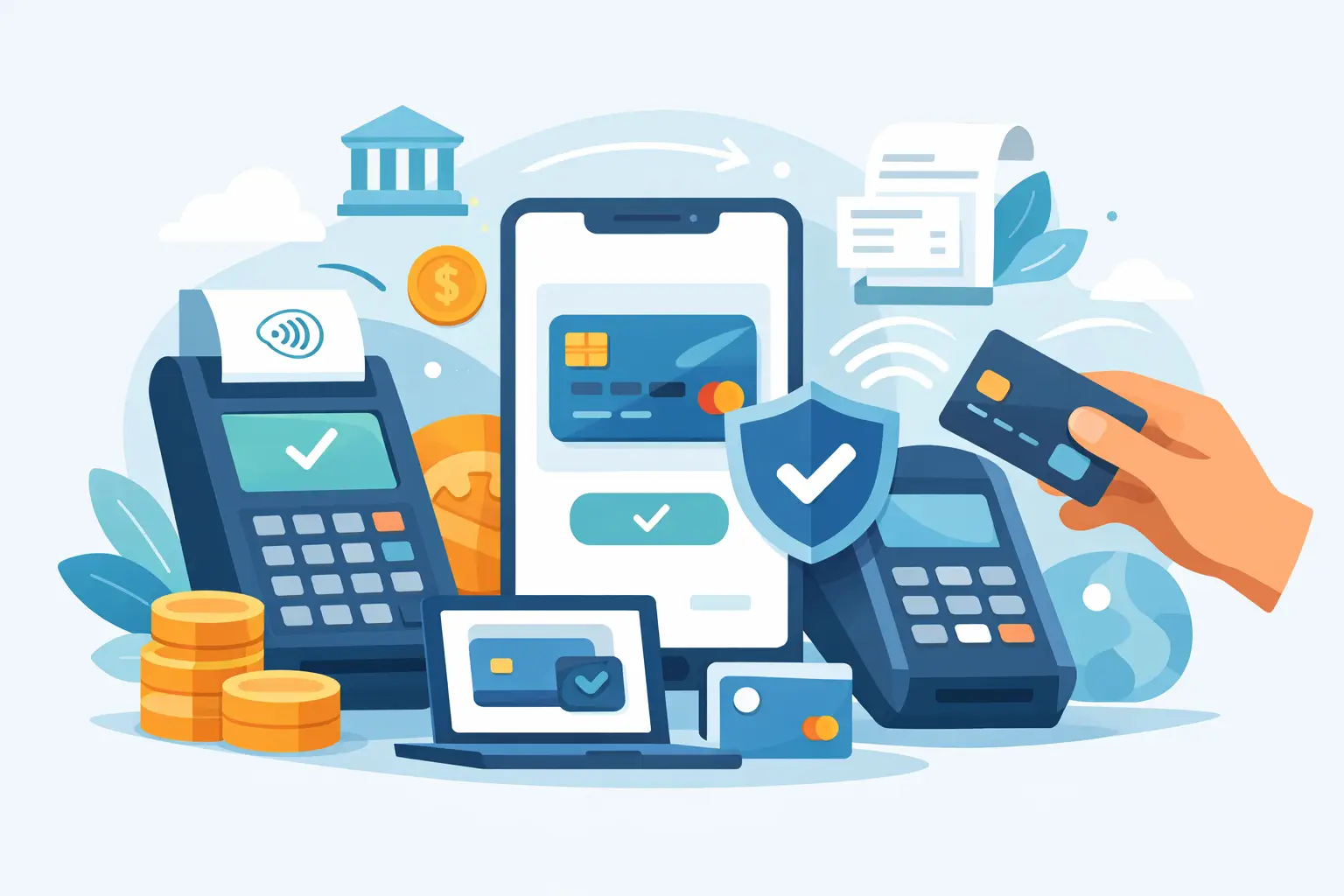
If you have ever had a processor freeze funds right when sales picked up, you already know this is not just a back-office topic. What is payment processing solutions? For an online merchant, it is the full system that lets you accept card payments, move money securely, approve transactions, and get paid without unnecessary delays or restrictions.
That system usually includes more than one tool. It can involve a payment gateway, a merchant account, fraud controls, recurring billing support, reporting dashboards, and the banking relationships that actually settle funds into your account. When those pieces work together, you can sell. When they do not, revenue stalls fast.
For high-risk online businesses, the difference matters even more. A generic processor may offer basic checkout access, but that does not mean it is built for subscription billing, higher chargeback exposure, manual transactions, or industries that trigger extra underwriting. A real payment processing solution is not just a way to collect money. It is the infrastructure behind predictable cash flow.
What is payment processing solutions in simple terms?
In plain English, payment processing solutions are the services and technology that handle customer payments from the moment someone enters card details to the moment your business receives funds.
That includes authorization, risk review, transaction routing, settlement, and reporting. It also includes the tools your business uses every day, such as an online checkout page, a gateway connection for your website, a virtual terminal for phone orders, or recurring billing logic for subscriptions.
Many merchants assume payment processing is a single product. It is not. It is a stack of connected services. If one part is weak, the whole setup can become unstable. You may see failed transactions, delayed deposits, poor checkout performance, limited visibility, or sudden account issues.
The core parts of a payment processing solution
The gateway is usually the first part merchants recognize. It captures payment details from your website, hosted checkout, shopping cart, or manual entry screen and passes them securely for approval. If you run a WordPress store or another eCommerce platform, the gateway is the bridge between your checkout and the payment network.
The merchant account is just as important. This is the account structure that allows your business to accept card payments under approved underwriting terms. Without the right merchant account, a gateway alone will not solve much. You might have the front-end technology to take orders, but not the banking support to process them consistently.
Then there is the processor itself, which routes transaction data through the card networks and coordinates authorization and settlement. Behind that are fraud tools, chargeback workflows, customer billing logic, and reporting systems that help you monitor approvals, declines, refunds, and deposits.
For some businesses, a virtual terminal also matters. If your team takes payments over the phone or through invoice-based workflows, you need a secure interface for keyed-in transactions. For subscription businesses, recurring billing tools are essential because retry logic, card updater support, and payment scheduling can directly affect monthly revenue retention.
How payment processing works behind the scenes
A customer places an order and enters payment information. The gateway encrypts that data and sends it to the processor. The processor communicates with the appropriate card network and issuing bank to check whether the transaction should be approved.
If approved, the transaction is authorized in real time. That does not mean the money hits your bank account instantly. It means the funds have been approved for capture. After that, transactions are batched and settled, and then deposits are sent to your business bank account based on your payout schedule.
This is where merchants often run into confusion. Approval rates, funding times, reserves, and account restrictions are not side issues. They are part of the processing solution itself. A system that authorizes sales but holds funds for long periods can create the same business pain as a system that declines too many transactions.
Why the right solution matters for online and high-risk merchants
A low-friction checkout is only one piece of the puzzle. If your business operates in a high-risk category, the right payment processing setup needs to support your actual model, not just your website.
That means underwriting that understands your product, billing cycle, average ticket size, and customer acquisition method. It also means tools that fit how you sell. A subscription business needs dependable recurring billing. A business using phone orders needs a virtual terminal. A fast-moving eCommerce operation needs dashboard visibility and payouts that support cash flow.
The trade-off is that specialized processing is not always the cheapest option on paper. High-risk support usually involves more careful underwriting and closer operational review. But for many merchants, the bigger cost comes from unstable approvals, frozen funds, rolling reserves, or abrupt account shutdowns. Cheap processing becomes expensive when it interrupts revenue.
What a good payment processing solution should include
A strong solution should fit your sales channel first. If you sell through a website, your gateway should integrate cleanly with your platform and checkout flow. If you run on WordPress, compatibility should not be an afterthought.
It should also give you control. That means clear transaction reporting, real-time visibility into approvals and declines, and easy access to refund and billing tools. You should know what is happening inside your account without waiting on support every time there is a question.
Funding terms matter just as much as technical setup. Daily payouts can make a real difference when advertising costs, fulfillment expenses, and payroll are all moving at once. Reserve requirements, if they exist, should be explained upfront. If they do not exist, that can create a major cash flow advantage.
Support is another area merchants underestimate until something breaks. Fast onboarding, direct technical help, and a provider that knows high-risk operations can save days or weeks of lost momentum.
Common mistakes merchants make when choosing processing
One of the biggest mistakes is choosing based only on rate. Processing cost matters, but it is not the whole decision. A slightly lower quoted rate means very little if approval quality is poor or funding becomes unpredictable.
Another mistake is assuming every provider supports every business model equally. They do not. Some processors are comfortable with standard retail patterns but become restrictive when they see recurring billing, higher monthly volume swings, or industries they consider difficult.
Merchants also overlook integration details. A provider may say it supports eCommerce, but that does not automatically mean it supports your specific cart, plugin environment, or operational workflow. The same goes for virtual terminals and subscription tools. If the technology does not fit your process, your team ends up creating workarounds that waste time and increase errors.
How to tell if your current setup is holding you back
If deposits arrive slower than your business can tolerate, that is a warning sign. If you cannot easily see transaction status, refund activity, or chargeback trends, that is another. The same goes for reserve requirements that strain your cash position, or support teams that give generic answers when your account needs real action.
You should also pay attention to softer signs. Rising decline rates, inconsistent approvals, checkout friction, and long setup times are all operational problems that can quietly reduce revenue. Many merchants accept these issues for too long because they assume that is just how payment processing works. It is not.
A payment setup should help you sell, not make you nervous every time volume increases.
The real answer to what is payment processing solutions
The real answer is simple. Payment processing solutions are not just software, and they are not just banking access. They are the full operating system behind how your business accepts revenue.
For online merchants, especially in high-risk categories, the right solution gives you more than transaction approval. It gives you speed to launch, visibility into account activity, support that understands your business model, and funding terms that let you operate with confidence. That is the difference between having a processor and having a payment infrastructure that actually supports growth.
If your business depends on online sales, recurring revenue, or virtual transactions, this is worth getting right the first time. The best payment setup is the one that keeps your revenue moving while giving you control over how your business gets paid.